🌿Glenwood ArkansasLocal Tourism Guide
Historic Glenwood Arkansas

Local History

History of Glenwood

A southwest Arkansas town shaped by railroads, timber, local industry, and life along the Caddo River in the Ouachita foothills.

Glenwood’s Story

A town shaped by railroads, timber, the river, and the outdoors.

Glenwood’s history gives the town more depth than just being a stop near the Caddo River. Its early growth came through railroad expansion, timber work, local commerce, and the practical needs of a growing southwest Arkansas community.

Over time, the same natural setting that supported local life — the river, the foothills, the roads, the forests, and the nearby lakes — became part of Glenwood’s modern visitor identity.

Railroad Roots

Glenwood grew quickly in the early 1900s as rail access opened the area to timber, commerce, and new settlement.

Timber Town Story

Lumber, mills, workers, merchants, and transportation helped shape the early town and its place in southwest Arkansas.

Caddo River Life

The Caddo River has long been part of Glenwood’s setting, first as part of daily life and now as one of its biggest visitor draws.

Outdoor Identity

Today, Glenwood is known for river floats, cabins, camping, local food, Lake Greeson, and regional day trips.

A Railroad and Timber Boomtown
A Railroad and Timber Boomtown image 2

Chapter 1

A Railroad and Timber Boomtown

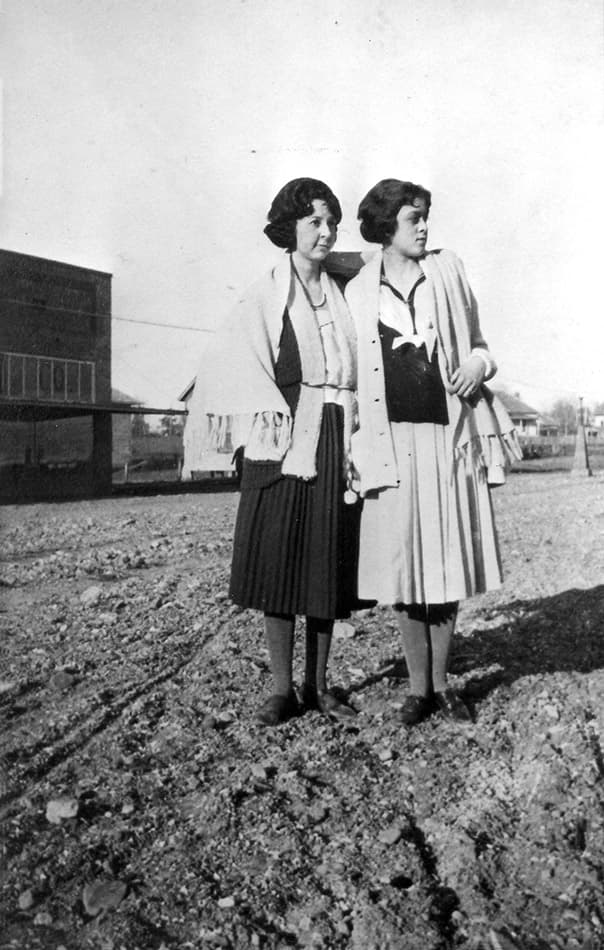
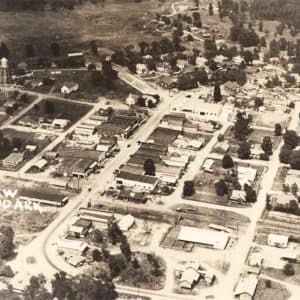
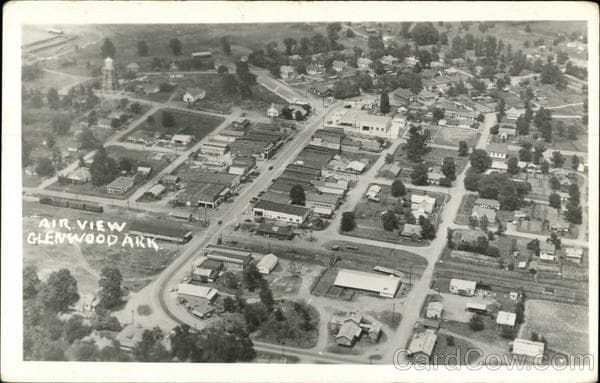
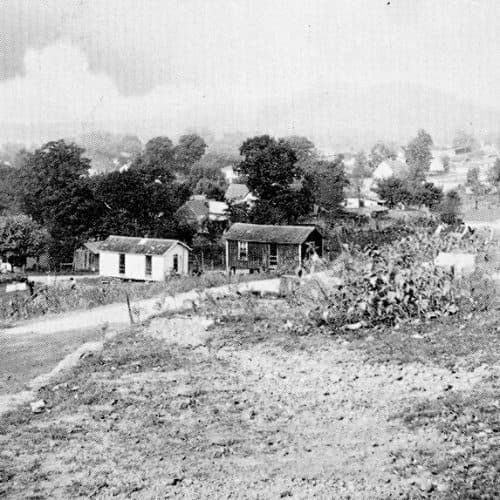
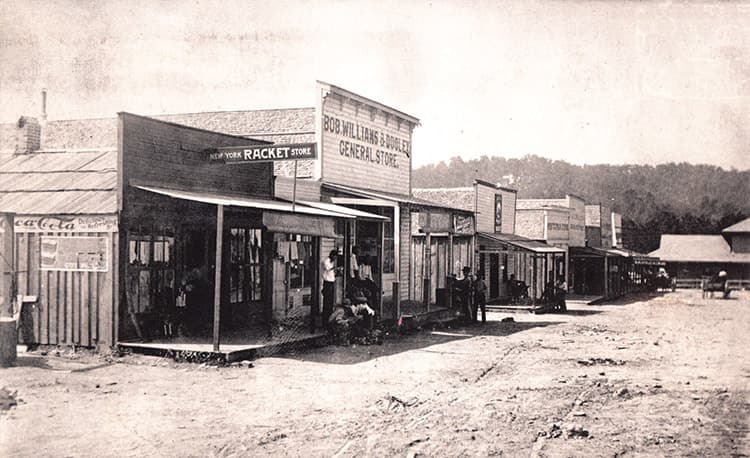
Glenwood’s early growth was tied closely to railroad expansion and the timber industry rather than the older frontier settlement pattern seen in some Arkansas towns. In the early 1900s, rail access opened the area to lumber operations and helped turn a small community into a working town. Glenwood was officially laid out in the early 1900s near the rail line, and the town’s identity grew around transportation, timber, mills, workers, merchants, and the daily rhythm of a new southwest Arkansas boomtown.
Growth Along the Caddo River
Growth Along the Caddo River image 2
Growth Along the Caddo River image 3

Chapter 2

Growth Along the Caddo River

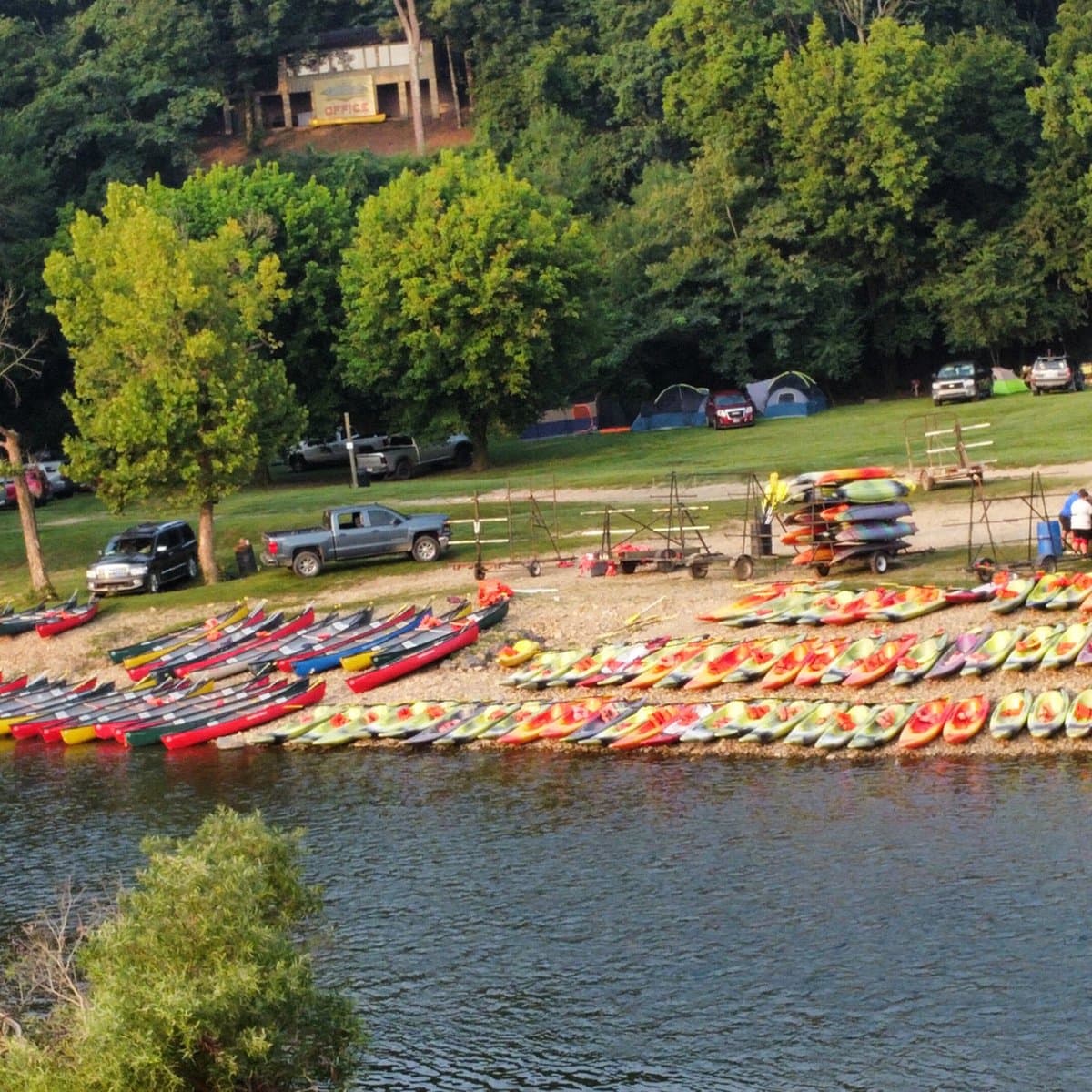
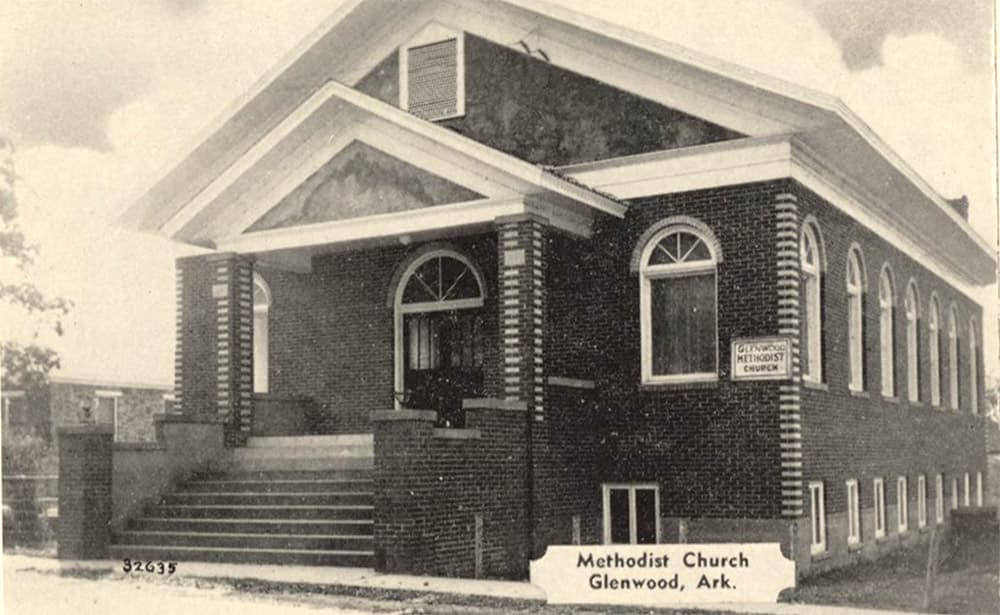
The Caddo River was more than scenery for early Glenwood. It was part of the landscape that supported work, travel, recreation, and settlement. As rail connections and lumber operations expanded, Glenwood became a local hub for timber-related activity and commerce. The town’s business district, homes, schools, churches, and community life developed around the same natural setting that still draws visitors today: the river, the foothills, and the roads connecting Glenwood to nearby towns.

From Industry to Outdoor Identity
From Industry to Outdoor Identity image 2
From Industry to Outdoor Identity image 3

Chapter 3

From Industry to Outdoor Identity

Like many timber towns, Glenwood changed as large-scale lumber operations slowed and the local economy shifted. The town did not lose its connection to the land, though. Over time, the same river, lakes, hills, and scenic roads that shaped the area’s working history became the foundation for its outdoor identity. Today, Glenwood is known more for Caddo River floats, cabins, camping, lake weekends, fishing, and regional tourism than for timber shipping, but the older railroad and lumber story still helps explain why the town is here.

Glenwood Today
Glenwood Today image 2
Glenwood Today image 3

Chapter 4

Glenwood Today

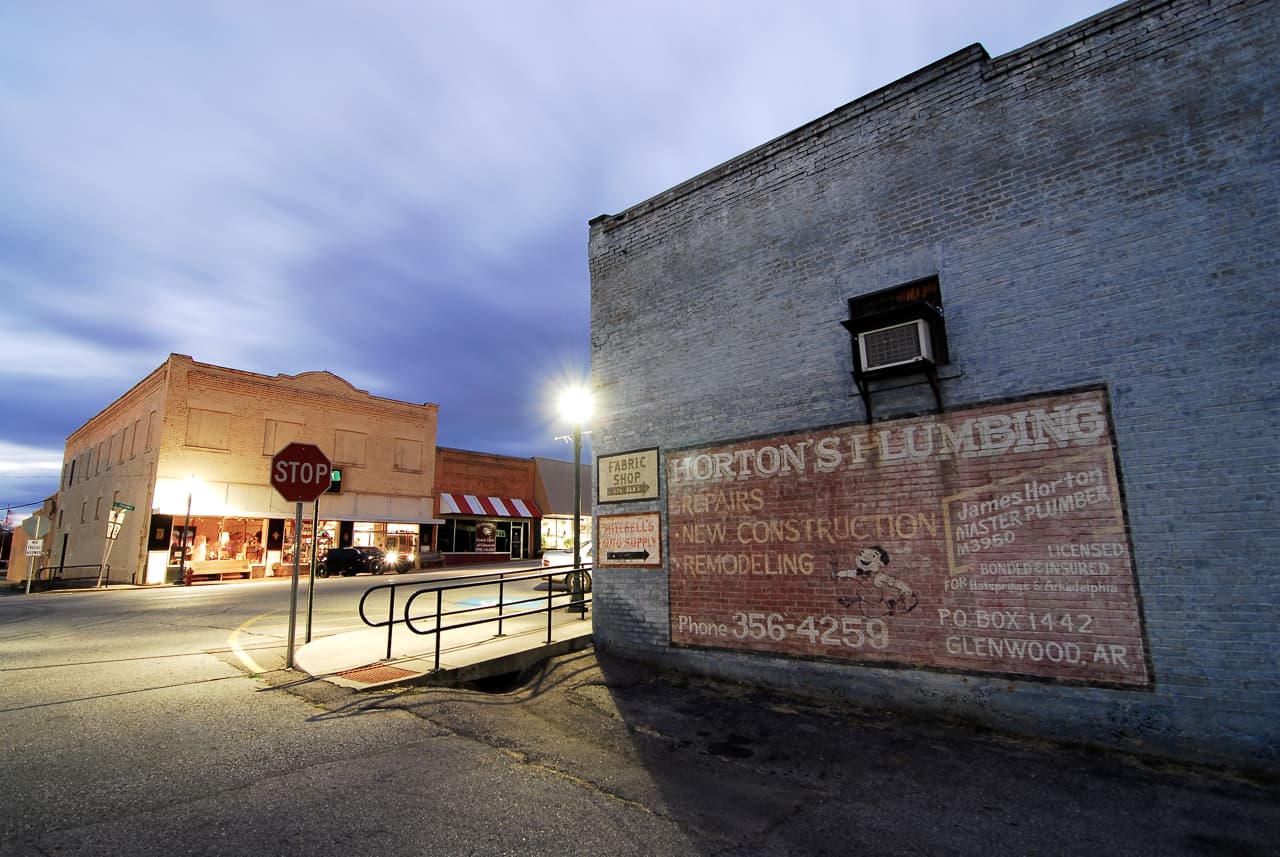
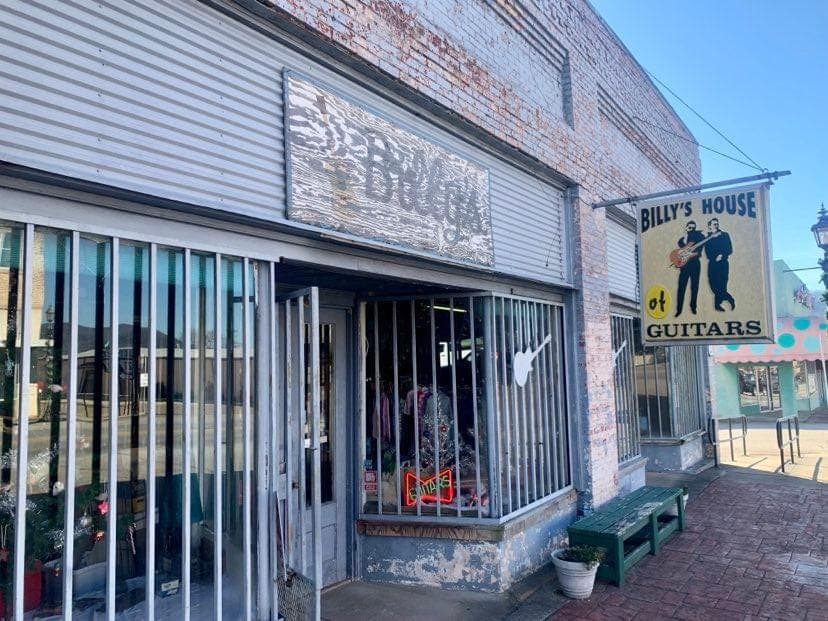
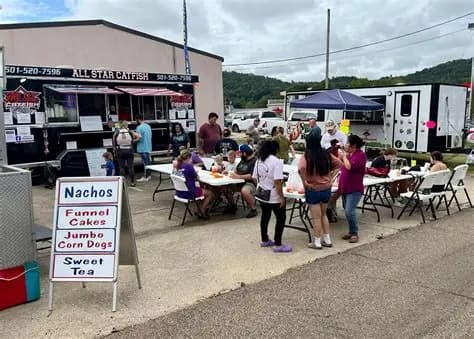
Modern Glenwood works as both a hometown and a visitor base. Locals know it through schools, churches, restaurants, small businesses, river traffic, summer weekends, and community events. Visitors often discover it through a float trip or cabin stay, then realize it also connects easily to Lake Greeson, Crater of Diamonds, Hot Springs, DeGray Lake, Mount Ida, and other southwest Arkansas stops. That mix of practical town life and outdoor access is what gives Glenwood its current tourism role.

History Meets Tourism

Glenwood’s past still shapes the way people experience it today.

The older story of Glenwood helps explain why the town sits where it does and why it still works as a practical stop for visitors. What started around rail, timber, work, roads, and community life now supports a different kind of movement: travelers coming through for the river, cabins, food, lake weekends, and local events.

That mix is what gives Glenwood its current identity. It is still a real small town, but it also gives visitors access to the Caddo River, Lake Greeson, Crater of Diamonds, Hot Springs, Mount Ida, Amity, and the wider Ouachita region.